Styles
Presets
A color wheel spinner ends the pause that comes with too many choices. It arrives loaded with twelve familiar colors, from red and teal to black and gray, and it picks one at random when you spin. Designers, teachers and crafters use it whenever a fair color choice matters more than a debate about shades.
What Is a Color Wheel Spinner?
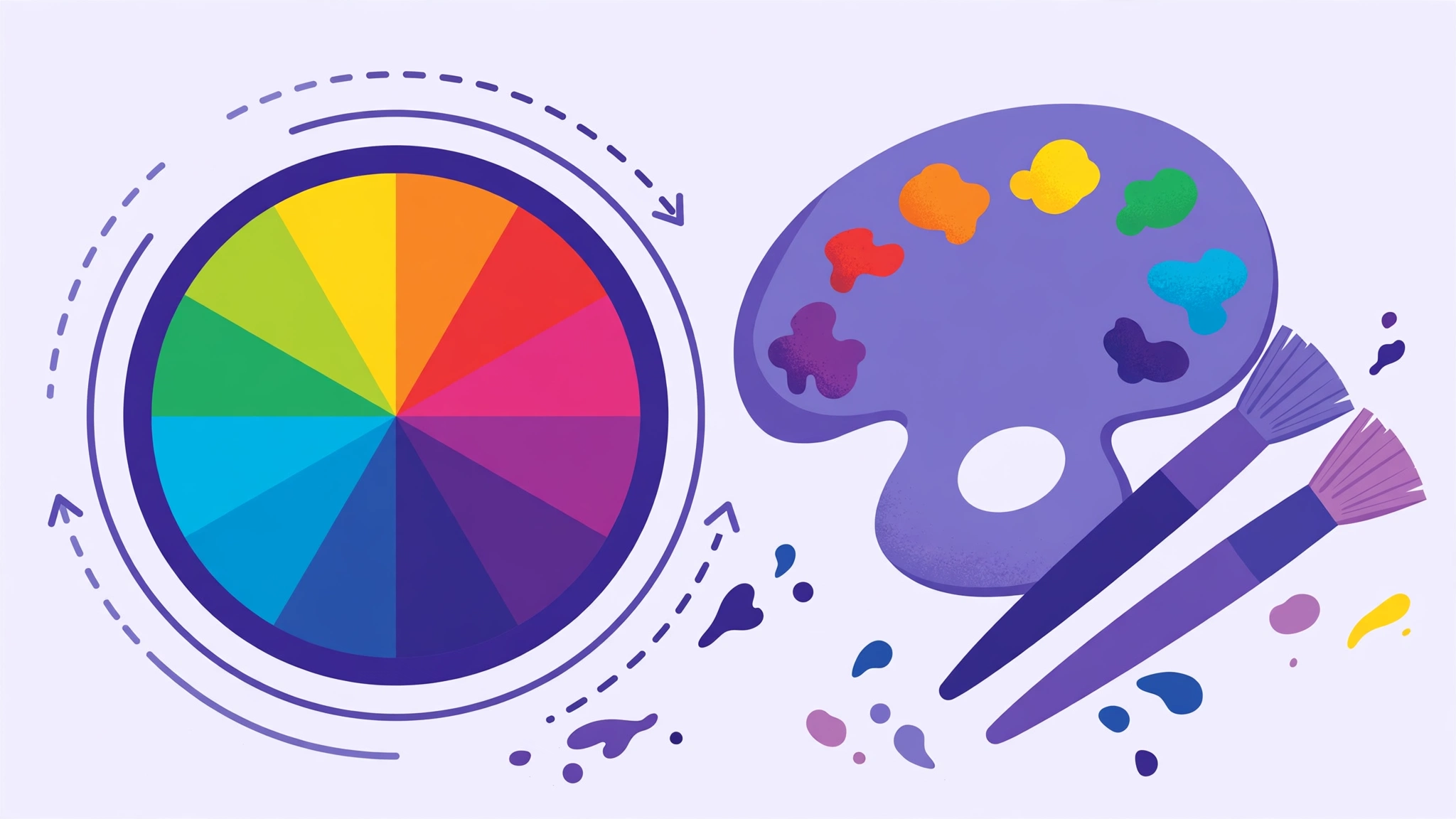
A color wheel spinner is a free online tool that places colors on equal slices of a wheel and selects one at random when the wheel stops. Each slice is painted in the color it names, so the result shows before you read the label. The wheel starts with a ready set of twelve, and the list can grow or shrink to fit the job.
People reach for a color spinner when the choice is small but blocking the real work. A poster needs one strong color before the layout can start. A drawing challenge needs a starting shade. A game needs teams split by color without an argument. In each case the wheel decides quickly, and the group gets on with the part that actually matters.
How to Pick a Random Color
Using the wheel takes less than a minute, and most of that time goes on checking that the list holds the colors you can use. Your list stays in your browser, nothing is uploaded, and you can spin as many times as a project needs.
- Open the wheel and look at the twelve colors loaded, which cover the basics most projects start from.
- Edit the list to fit your task, one color per line, adding shades like navy or coral and removing colors you cannot use.
- Press spin and watch the wheel slow until the pointer settles on one color.
- Take that color as your answer, or remove it and spin again when a game needs a fresh color.
Ways People Use the Wheel of Colors
Design and art projects. A random color breaks the blank page feeling that slows down posters, logos and drawings. Spin once, then build the rest of the palette around the result, with lighter and darker shades of the same family. Art teachers use the same trick as a drawing prompt, and every student ends class with a completely different picture.
Games and group activities. Colors are an easy way to split people, and the wheel keeps the split neutral. Game nights use it to set color teams, plan scavenger hunts where each color is a clue, or pick a color to wear next round. In class, teachers spin to form color groups, which settles the usual rush toward best friends in seconds.
Outfits, crafts and small daily choices. Some days the hard part is simply starting. The wheel can pick a nail polish shade, yarn for a knitting project, paint for a small craft, or a party theme color. Because the list holds only colors you actually own, the answer is always one you can act on right away, with no shopping trip and no second guessing.
How the Wheel Keeps Color Picks Fair
Every color gets a slice of exactly the same size, so the wheel has no favorite shade and no memory of what won yesterday. A color that lands three times in an afternoon is having a lucky day, the way a coin can land on heads three times running. Nothing in the spin leans toward bright colors or away from dull ones.
Fairness matters most when other people are involved. In a team game, nobody can claim the color wheel spinner wanted one color to win. In a classroom, the group color nobody wanted still counts, because everyone watched the same spin produce it. If a game needs each color used once, turn on remove winner and the wheel keeps the rounds honest.
Tips for Getting a Color You Can Use
If a project can only use the paints already in the cupboard, delete every other color first, because a result you cannot follow teaches you to ignore the wheel. Spin for one main color, then choose matching shades yourself. The wheel is a starting gun, not a full palette. Two spins can also set a pair: a main color and an accent. If you want the theory behind good pairings, the classic color wheel on Wikipedia shows how colors relate to each other around the circle.
When a group might argue with the result, agree the rules before the spin, not after it. One free respin per person is a popular compromise, and a screenshot settles most debates. For party games, write each winning color on a board so late arrivals can catch up at a glance.
Frequently Asked Questions
Is the color wheel spinner free?
Yes, it is completely free, and no account is needed. Open the page in any browser and spin as often as you like. There is no app to install and nothing to pay, which suits classrooms and game nights where a quick choice should never need a sign up.
Can I add my own colors and shades?
Yes. Type any color name into the list, one per line, and it appears on the color wheel spinner straight away. Add exact shades such as navy, coral or mustard when a project calls for them, and remove the basics you no longer need. Pick names you can recognize at a glance from across the room.
Can the same color win twice in a row?
Yes, and that is a normal part of random results rather than a fault. Each spin starts fresh, with every color holding the same chance as the others. If repeats would spoil your game, turn on the remove winner setting and a winning color leaves the wheel until you reset the list for the next round.
Does the wheel work on a phone or tablet?
Yes. The color wheel spinner runs in a mobile browser with nothing to install, and the wheel is big enough to tap easily. Teachers open it on the classroom display, while crafters keep it on a phone beside the table. Your list saves on that device, ready when you come back.
More Wheels to Try
If your choice is bigger than a color, the main wheel takes any list you can type, from names to tasks. The picker wheel suits quick random picks of every kind, and the food wheel settles the dinner question with the same one spin fairness.